Guide · Hiring & inclusion
A guide to inclusive hiring
Practical ways to make a hiring brief, outreach, assessment and onboarding more inclusive.

Inclusive hiring starts well before an interview. A clear brief, wider outreach and a fair assessment process help more people show what they can bring to a role.
Start with the role and the organisation
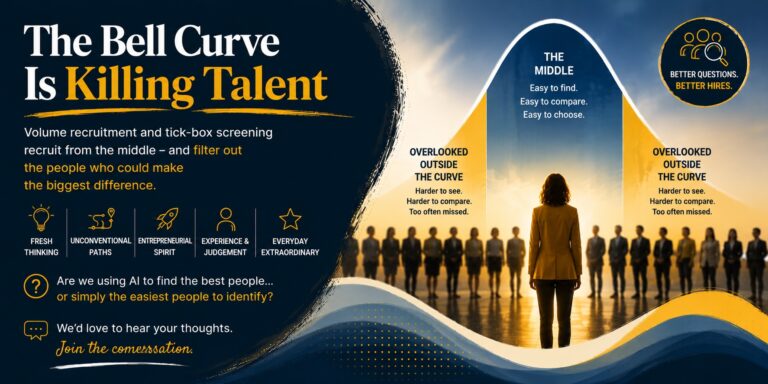
Replacing a previous employee “like for like” can narrow the field before a search begins. A new hire may bring the capabilities a role needs through a different career path, sector or way of working.
- Describe the work and the capabilities needed to do it well, rather than a familiar background or job title.
- Separate essential requirements from experience that can be developed.
- Explain the organisation’s values and approach to inclusion clearly on the website and in the job description.
- Ask whether “cultural fit” means candidates are expected to resemble the current team.
Reach a wider range of applicants
Where a role appears, and how it is described, shape who sees themselves in it. Review the channels you use and the language in the advert before the search begins.
- Use a range of relevant job boards and community routes, then look at who each route reaches.
- State the salary range clearly where possible.
- Invite people to share any adjustments they need before each stage of recruitment.
- Offer a straightforward way to ask questions about the role and process.
Ask colleagues and community organisations where people with the skills you need are likely to find opportunities. A wider search can reveal experience that a familiar channel misses.
Assess skills fairly
An assessment works best when it reflects the job and gives applicants a fair chance to demonstrate their skills. Removing identifying details from a CV can help at one stage, but the rest of the process matters too.
- Agree job-related criteria before interviews, and use them consistently.
- Bring varied perspectives to the panel while keeping it proportionate to the role.
- Offer adjustments such as questions in advance, accessible arrival arrangements or communication support.
- Let candidates demonstrate their skills in a suitable way when a conventional interview is not the best measure.
- Use evidence-based questions and record the reasons for each decision.
Measure and improve
Keep a clear record of the criteria, outcomes and feedback at each stage. Patterns in who applies, progresses and accepts an offer can point to barriers in the process.
- Record why applicants progress or do not progress, using job-related evidence.
- Review interview and placement patterns over time, handling personal information with care.
- Ask candidates how accessible the process felt and what could improve.
- Review onboarding as well as selection, so support continues after an offer.
Use what you learn to adjust the brief, outreach, assessment and onboarding for the next hire.
Review salary decisions too
Agree the range and the reasons for placing a candidate within it before making an offer. For more on bias in this process, see Balance’s guide to inclusive salary negotiations.
Work together on the next brief
Inclusive hiring is a conversation between a recruiter and an employer. Talk through the capabilities the role needs, where to reach candidates, how each stage will work and what support someone may need to take part. Those choices shape the advert, assessment and onboarding plan.
Where a small team needs support, consider an external specialist, relevant community groups, an accessibility review of the website and job application path, and practical staff training. Agree the problem each activity should solve and check what changes for candidates.
To discuss a role, visit Hire talent.